Built for living , loved for a lifetime.
About Us

Lorem Ipsum is simply dummy text of the printing and typesetting industry.
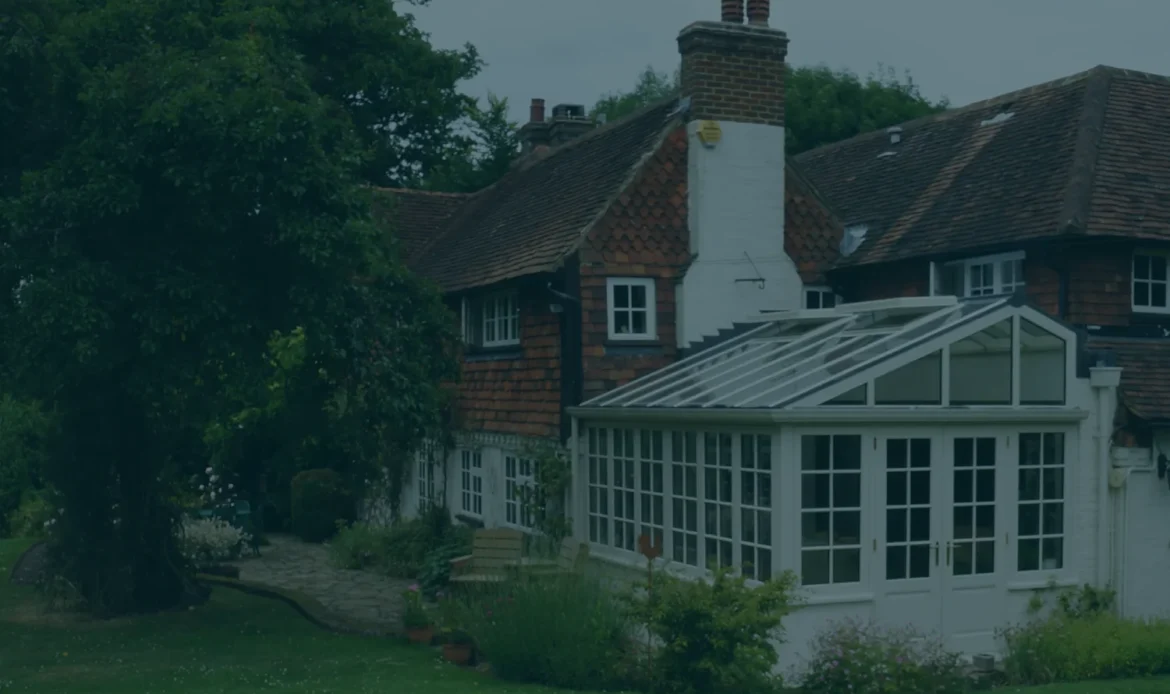
A garden room earns its place when it changes how a home feels, not simply how it looks. The best bespoke garden room UK projects do exactly that – creating somewhere to work, entertain, unwind or simply step away, while still feeling completely connected to the house and the wider landscape.
That distinction matters. A well-designed garden room is not an isolated outbuilding dropped at the end of a lawn. It should sit naturally within the architecture of the property, respond to the way light moves across the garden, and feel as considered as any principal room indoors. For homeowners investing in a premium home, that level of integration is often the difference between a pleasant addition and a genuinely transformative space.
The word bespoke is used rather loosely, yet in practice it should mean far more than choosing a cladding finish or moving a window. A genuinely bespoke garden room begins with the property itself – its proportions, materials, setting and the lifestyle of the people who live there.
For a period home, that may mean a design language that respects heritage details, with refined joinery, elegant glazing proportions and a timber finish that sits comfortably within the existing architecture. For a more contemporary house, the answer might be cleaner lines, broader spans of glass and a pared-back interior palette. In both cases, the room should feel designed for that one address rather than selected from a standard range.
This is where tailored design has real value. It allows the room to solve specific problems beautifully. One family may need a calm garden office that remains separate from the pace of the main house. Another may want a guest retreat, a fitness and wellness space, or a garden-facing studio for reading, music or creative work. The brief changes, and the design should follow.
There is a practical reason demand has grown – people want more from the homes they already love. Moving is often disruptive, and not every household needs a major extension to gain meaningful extra space. A garden room can provide that additional layer of living without disturbing the established rhythm of the main house.
Yet the appeal is not only practical. There is something compelling about stepping into a space with a slightly different character – quieter, lighter and more connected to planting, trees and seasonal change. Used well, a garden room can support a more balanced way of living. It gives work a proper setting, creates room for guests without compromise, and offers a place to entertain that feels distinct from everyday family life.
For design-conscious homeowners, there is also the question of value. A premium garden room, built with longevity in mind, can enhance both enjoyment and the overall desirability of a property. That said, value should never be treated too simplistically. Not every garden room adds the same level of appeal. Quality of design, construction, insulation, finish and placement all shape how it will be perceived over time.
Proportion is usually the first thing people notice, even if they do not describe it that way. A room that is too dominant can overwhelm the garden, while one that is undersized may feel mean or unresolved. The right footprint depends on the site, but so does height, roof form and how the structure meets the ground.
Glazing needs similar care. Generous glass can be beautiful, especially where views are strong, but there is a balance to strike. Too much glazing in the wrong place can reduce privacy, increase solar gain and leave the room feeling exposed rather than restful. Orientation matters enormously in the UK climate. South-facing designs may benefit from shading or carefully considered overhangs, while a north-facing room may need to work harder to capture available light.
Material choice is another defining factor. Hardwood timber remains especially appealing in premium schemes because it brings warmth, character and a sense of permanence. It suits both traditional and modern settings, and when crafted properly it ages with dignity. Interior finishes matter just as much. Built-in joinery, flooring, lighting and heating should all be considered as part of one coherent scheme rather than as afterthoughts.
A beautiful shell will only take a project so far. What makes the room useful throughout the year is the quiet competence behind the scenes – insulation, ventilation, structural design and energy performance. If a garden room is intended for daily use, these details are not technical extras. They are central to comfort.
Some garden rooms can be built under permitted development, but that should never be treated as an assumption. Height, position, intended use, proximity to boundaries and whether the property sits within a designated setting can all affect what is possible.
For homeowners with listed or architecturally sensitive properties, the planning conversation becomes even more nuanced. In these cases, design quality matters not only aesthetically but strategically. A proposal that clearly respects the site and complements the house is often better placed than one that appears generic or overly dominant.
This is one reason a fully managed approach is so valuable. Coordinating design, planning input, technical drawings and installation through separate parties can create delays and uncertainty. A joined-up process tends to produce a calmer experience and a more resolved result, particularly when bespoke detailing is involved.
Timelines also deserve realism. Premium craftsmanship takes time, and it should. Site preparation, permissions where required, manufacturing drawings, structural calculations and careful installation all contribute to the final quality. Homeowners are usually best served by choosing certainty and finish over speed for its own sake.
A great many structures can be called garden rooms. Far fewer feel like true extensions of a well-designed home. The difference often lies in how thoroughly the project has been thought through.
A luxury garden room should feel complete from day one. That means the thresholds work elegantly, the lighting is flattering in the evening, the storage is discreet, and the internal atmosphere is as comfortable in February as it is on a warm August afternoon. It should feel sofa-ready, not like a shell waiting for future decisions.
This is especially important when the room is being created for more than one use. A space that serves as an office by day and a retreat for guests at weekends needs subtle planning. Power, acoustics, furniture layout and privacy all need to be resolved early, not improvised later.
For architects and interior designers, this level of finish is often what distinguishes a successful collaboration. The external envelope, interior detailing and relationship to the landscape must all speak the same design language. When they do, the room feels inevitable – as though it always belonged there.
At the upper end of the market, homeowners are rarely just buying a structure. They are choosing a process, a design sensibility and a standard of delivery. That is why the right partner should bring more than manufacturing capability alone.
Look for a team that can guide the project from concept through to final handover, with confidence in architectural design, planning support, technical detailing and installation. Ask to see how they resolve junctions, how they approach materials, and whether completed spaces feel genuinely lived in rather than merely photographed well.
It is worth paying attention to how a company talks about craftsmanship. In the best hands, craftsmanship is not nostalgia dressed as quality. It is a disciplined commitment to proportion, material honesty and durable construction. Farrow & Jones, for example, positions this as part of a wider turnkey service – one that values tailored design, British craftsmanship and spaces built for living over the long term.
That blend of design and delivery matters because bespoke projects are full of decisions. The more clearly those decisions are guided, the more enjoyable the process tends to be for the client.
The most successful garden rooms are rarely the loudest. They become part of how a home works and how life is enjoyed within it. Morning coffee tastes different with a garden view. Work feels calmer when it has a dedicated setting. Evenings become easier to host when there is another beautifully designed place to gather.
A bespoke garden room UK homeowners will value for years is one that respects the house, the garden and the life being lived between them. If the design is thoughtful enough, it does not feel like an add-on at all. It simply feels like a home that now fits better.