Built for living , loved for a lifetime.
About Us

Lorem Ipsum is simply dummy text of the printing and typesetting industry.
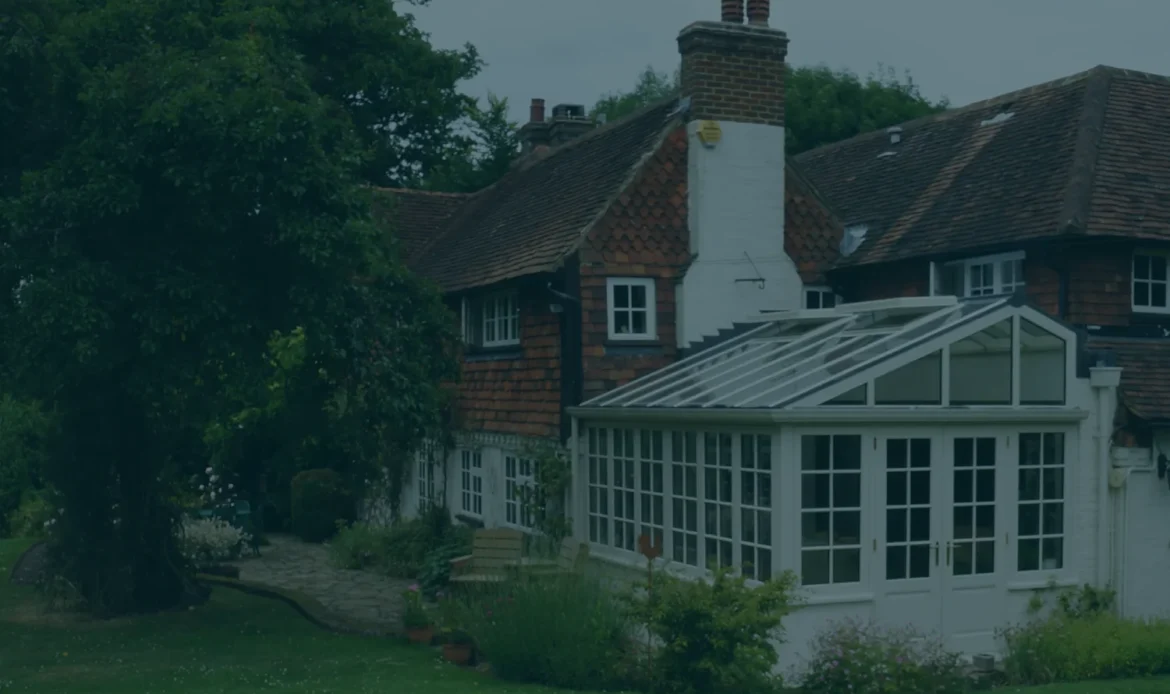
If you are weighing up a garden room vs extension, the real question is not simply which adds more space. It is which one changes the way you live at home in the right way – beautifully, practically and for the long term. For some households, a separate retreat in the garden is exactly what makes daily life feel calmer. For others, only an extension that reshapes the main house will truly solve the problem.
This decision deserves more than a quick comparison of square metres and budgets. The right answer depends on how you want the new space to feel, how often you will use it, and whether you are trying to create separation or better connection.
A garden room is a detached structure, usually positioned away from the house and designed as a self-contained living space. It might serve as a home office, studio, gym, guest room or quiet retreat. Its strength lies in separation. You step out of the house and into a different atmosphere.
An extension, by contrast, becomes part of the house itself. It can enlarge a kitchen, create an open-plan family room, add a dining area, or transform the flow of the ground floor entirely. Its strength is integration. Rather than adding a destination in the garden, it changes the way the home works every day.
That distinction matters more than many homeowners first realise. One gives you an additional building. The other reimagines your existing one.
A garden room tends to work best when you need focused space with a clear purpose. If you work from home and want proper distance from family life, a detached room can feel invaluable. The same is true if you want somewhere to paint, train, host overnight guests, or simply escape the rhythm of the main house for an hour.
There is also something undeniably appealing about preserving the house as it is while adding another layer of living to the plot. In period homes especially, that can be a thoughtful approach. The principal rooms remain intact, while the garden gains an elegant, useful structure that supports modern life without forcing a major internal reconfiguration.
Design is crucial here. The most successful timber garden rooms do not feel like afterthoughts placed at the end of a lawn. They feel considered – proportioned to suit the landscape, detailed to complement the architecture of the house, and finished to the same standard you would expect indoors. When done well, they offer year-round comfort rather than seasonal novelty.
There are limits, of course. A garden room does not fix a cramped kitchen, improve a broken floorplan, or make family life flow better inside the home. If your frustration starts the moment everyone gathers around an undersized island or a dining table squeezed into the wrong spot, a detached room may be attractive but still miss the real issue.
An extension is usually the stronger choice when the problem sits at the heart of the house. If your kitchen feels too small, your family room lacks natural light, or your ground floor does not support entertaining, an extension addresses the cause rather than the symptom.
This is why extensions can feel more transformative. They do not just add square footage. They alter circulation, sightlines, ceiling height, light quality and the relationship between house and garden. A beautifully designed extension can turn several compromised rooms into one generous living environment that feels calm, cohesive and made for modern family life.
For many homeowners, that daily effect is what matters most. You do not have to put on shoes and cross the garden to enjoy it. It becomes part of breakfast, school mornings, dinner with friends and quiet Sunday afternoons. In practical terms, that often means the new space earns its keep more consistently.
A well-designed extension can also feel more natural from a value perspective, because it expands the core accommodation of the house. That said, value is never just about floor area. It depends on design quality, build quality and how well the new structure belongs to the property.
Planning is often treated as the deciding factor, but it should be considered in context. Yes, some garden rooms can be more straightforward from a permissions perspective, depending on their size, height, use and position. Equally, some extensions can proceed under permitted development, while others will require a full planning application.
The more useful distinction is complexity. An extension usually involves deeper structural integration with the existing house, more disruption on site, and greater coordination across design, engineering and building regulations. Drainage, foundations, insulation performance, roof junctions and internal alterations all need careful resolution.
A garden room can be simpler, but not always simple. Premium detached buildings still require proper design thinking, technical detailing and a clear understanding of year-round performance. If the ambition is to create a space that feels every bit as refined as the main home, corners cannot be cut on glazing, insulation, ventilation or interior finish.
For listed properties, homes in sensitive settings, or houses in design-conscious areas such as the Cotswolds or parts of Surrey and Oxfordshire, both routes benefit from early professional guidance. Good design is not just about getting approval. It is about ensuring the new space looks as though it was always meant to be there.
The cost comparison in a garden room vs extension discussion is often too blunt. Homeowners ask which is less expensive, but the better question is what each option delivers for the investment.
A garden room may involve fewer intrusive works to the house, which can make it appealing from both a practical and financial standpoint. You are less likely to be living around major internal disruption, and the programme can be more contained.
An extension often carries a higher overall investment because it touches more parts of the property and demands more from the design and construction process. Yet it may also unlock more meaningful change if it resolves multiple issues at once – poor layout, lack of light, limited entertaining space and weak connection to the garden.
There is also the matter of finish. A modestly specified extension and a fully bespoke hardwood garden room are not directly comparable, just as a basic detached structure and an architecturally ambitious orangery are worlds apart. Premium homeowners are rarely choosing between categories alone. They are choosing between levels of craftsmanship, comfort and permanence.
This is where the decision becomes more personal.
A garden room offers escape. It creates psychological distance, which can be wonderfully restorative. Work feels more focused there. Reading feels quieter. Guests feel tucked away rather than folded into the family routine. If your household is busy and your home already works reasonably well, that sense of separation can be the luxury.
An extension offers continuity. It keeps everyone connected while making the home breathe more easily. A larger kitchen with better light and direct views onto the garden can improve ordinary days in a way that is hard to overstate. It supports togetherness without crowding.
Neither feeling is better in absolute terms. It depends whether you crave retreat or integration.
Before comparing regulations or programme lengths, ask this: what is the missing quality in your home?
If the house lacks a dedicated destination for work, wellness or guests, a garden room may answer that beautifully. If the house itself feels compromised, an extension is usually the more intelligent move.
This is why the best projects begin with lifestyle rather than product. A premium design-and-build process should uncover how you cook, host, work, unwind and move through the day. Only then can the right solution take shape. At Farrow & Jones, that often means looking beyond the obvious brief to understand what will genuinely elevate the way a home is lived in.
It is tempting to choose the faster route or the one that feels less disruptive in the moment. Sometimes that is exactly right. But when the ambition is to create a space built for living and loved for a lifetime, short-term convenience should not outweigh long-term suitability.
A garden room can be an exceptional addition – elegant, versatile and deeply enjoyable to use. An extension can be equally powerful, turning an underperforming house into one that feels generous, light-filled and entirely in tune with modern life. The best choice is the one that solves the right problem with conviction.
If you can picture yourself using the new space every day, in every season, and feeling that it belongs naturally to your home, you are probably looking in the right direction.