Built for living , loved for a lifetime.
About Us

Lorem Ipsum is simply dummy text of the printing and typesetting industry.
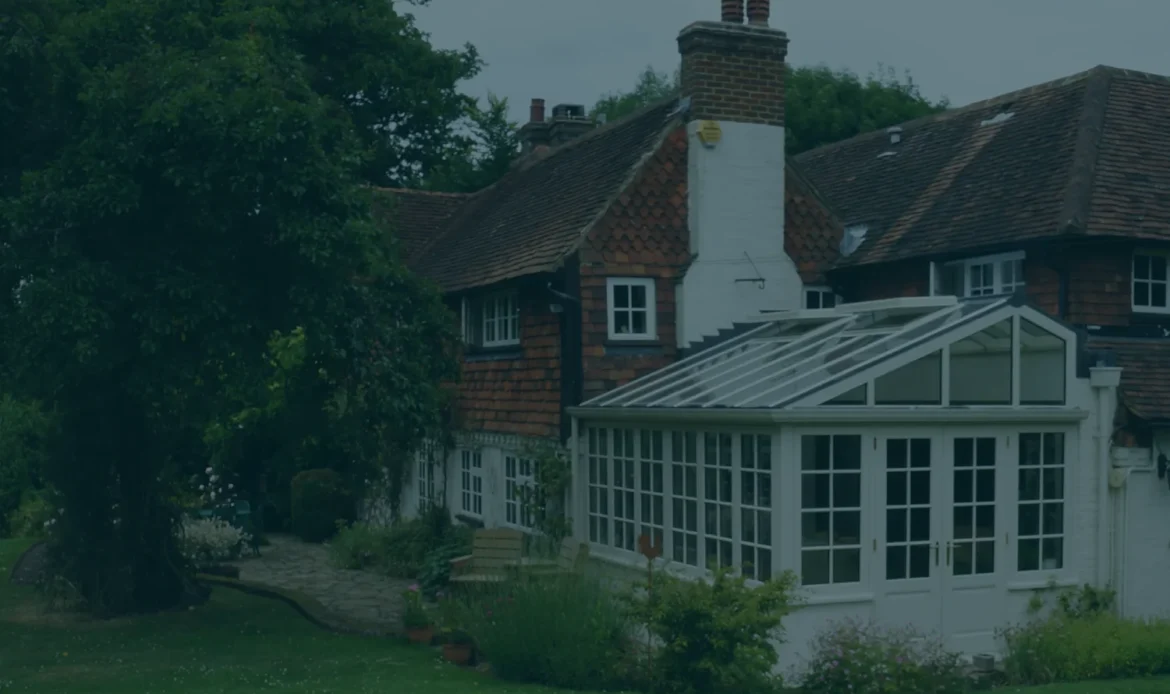
A successful extension to a period property is rarely about adding more room alone. The best period home extension ideas solve a practical problem – a dark kitchen, an awkward layout, a lack of connection to the garden – while making the house feel as though it has always belonged to itself.
That balance is what makes period homes so rewarding, and so demanding. Georgian townhouses, Victorian villas, Edwardian family houses and country cottages all carry a rhythm of proportion, materials and detail that newer buildings simply do not. Extend them well and everyday life improves beautifully. Get the relationship wrong and the new space can feel decorative rather than integral.
The strongest schemes begin with respect for the original architecture, but they do not become trapped by it. A heritage home should still support modern living, whether that means a generous kitchen for entertaining, a light-filled family room or a quieter garden-facing retreat.
In practice, good design often comes down to three questions. First, what is the house missing? Secondly, where should the extension sit so the original building remains legible? Thirdly, should the new addition blend in or offer a more contemporary contrast? There is no single correct answer. It depends on the age of the property, its setting, its listed status if relevant, and the way you want to live in it.
For many homeowners, the goal is not a larger house in abstract terms. It is a calmer one, with better flow, stronger natural light and rooms that feel tailored rather than improvised.
An orangery suits many period properties because it sits naturally between architecture and landscape. It has more permanence and presence than a purely glazed addition, yet it still brings in exceptional light through tall windows and roof glazing.
For larger Victorian and Edwardian houses, this approach can create a refined kitchen-living space that opens to the garden without losing a sense of structure. Solid piers, carefully proportioned glazing bars and a well-designed roof lantern help the room feel architecturally grounded. The result is lighter than a conventional extension, but more substantial than a simple glass box.
This is often the right answer where clients want a social, everyday room with enough character to sit comfortably alongside formal original spaces.
Many London and market-town period houses suffer from the same flaw: a dark, pinched rear section with a corridor-like kitchen. A side return extension can be one of the most effective period home extension ideas because it uses overlooked external space to correct the plan.
The appeal is not simply square footage. It is the ability to widen the room, bring daylight deeper into the house and create a more natural relationship between cooking, dining and family life. On a heritage property, the detailing matters enormously. Floor finishes, joinery and glazing proportions should all be considered in relation to the age of the house, so the extension feels composed rather than generic.
Some period homes benefit from an extension that is intentionally quieter than the original building. Rather than competing with decorative brickwork, stonework or sash windows, the new structure becomes a well-mannered backdrop to daily life.
This can work particularly well on listed or visually prominent homes, where preserving the authority of the existing architecture is essential. A lower rear addition with carefully judged rooflines, high-quality timber joinery and restrained detailing allows the historic house to remain the principal character. Inside, however, the extension can feel generous, warm and contemporary.
The key is hierarchy. The old house should still read as the old house, with the extension supporting it rather than imitating it too literally.
Not every extension to a period property needs to mimic what came before. In some cases, a clean contemporary intervention is more honest and more elegant, especially when it is handled with fine materials and clear proportions.
A bespoke timber garden room can offer this contrast beautifully. Against brick, stone or rendered elevations, hardwood construction introduces warmth and craftsmanship rather than starkness. Large areas of glazing can frame the garden and draw in changing light, while the natural texture of timber keeps the design rooted and domestic.
This approach is often best where the original rear elevation is modest or where previous alterations have already softened strict historic purity. The contrast should feel deliberate, not abrupt.
People often focus on materials first, but proportion is usually what determines whether an extension feels right. Ridge heights, eaves lines, window shapes and the balance between solid wall and glazing all affect the final impression.
A beautifully made extension can still look uncomfortable if the roof pitch is too heavy, the doors are too wide for the elevation, or the ceiling height ignores the scale of adjoining rooms. This is where architectural discipline matters. Looking at the extension from inside the garden, from the approach to the house and from key internal sightlines helps avoid expensive missteps.
Period homes respond well to materials that age gracefully. Brick, stone, hardwood timber, lime-based finishes and metal detailing with a refined patina tend to sit more comfortably than overly uniform modern surfaces.
That does not mean every finish must be traditional. It means the palette should carry depth, tactility and a sense of permanence. In premium projects, this is often what separates a merely new extension from one that feels settled and considered.
Joinery has an outsized effect on how an extension feels. Skirtings, internal doors, fitted cabinetry, window boards and panelling can quietly connect a new room to the language of the original house.
In a kitchen extension, bespoke joinery is often the element that makes the scheme feel fully resolved. It can echo period detailing where appropriate, but should also support modern living with intelligent storage, integrated seating and a layout designed around real routines.
A period property should not force you to live formally in every room. One of the most valuable design moves is deciding which parts of the house remain elegant and enclosed, and which become more open, sociable and flexible.
For some families, that means preserving a front drawing room or dining room while creating a generous kitchen orangery at the rear. For others, it means a garden room that works from breakfast through to evening entertaining. The extension should support the way the household actually moves through the day.
Lighting, acoustics and temperature control deserve as much thought as the visual design. A highly glazed room that overheats in summer or feels exposed in winter will never become the heart of the house, no matter how attractive it appears in drawings. Early technical planning is therefore part of good design, not a separate concern.
This is often the defining decision. A matching extension can feel timeless when the original architecture is strong and the craftsmanship is exact. But if the imitation is only partial, the result can appear diluted.
By contrast, a contemporary extension can sharpen appreciation of the old building by clearly distinguishing past from present. This tends to work best when the massing is respectful, the materials are rich and the transition between old and new has been carefully choreographed.
There is also a middle path. Many of the most successful extensions borrow the discipline of period architecture – symmetry, proportion, materiality – without producing a literal copy. That balance often gives homeowners the best of both worlds: heritage character with a room designed for contemporary life.
Beautiful ideas need rigorous delivery. Period properties are rarely straightforward once works begin. Hidden structural conditions, drainage constraints, planning sensitivities and the demands of integrating new services into old fabric can all shape the final design.
That is why a joined-up approach matters. When architectural thinking, technical detailing, planning support, manufacturing drawings and installation are handled as one process, the extension is far more likely to retain its design quality all the way to completion. For discerning homeowners, that continuity is not an added luxury. It is often what protects both the experience and the result.
At Farrow & Jones, this heritage-led approach is central to creating living spaces that feel beautifully integrated rather than appended.
The most compelling period home extension ideas are not the ones that shout the loudest. They are the ones that let a house keep its dignity while making room for a better way of living – lighter mornings, easier gatherings, quieter corners and a home that feels complete at last.