Built for living , loved for a lifetime.
About Us

Lorem Ipsum is simply dummy text of the printing and typesetting industry.
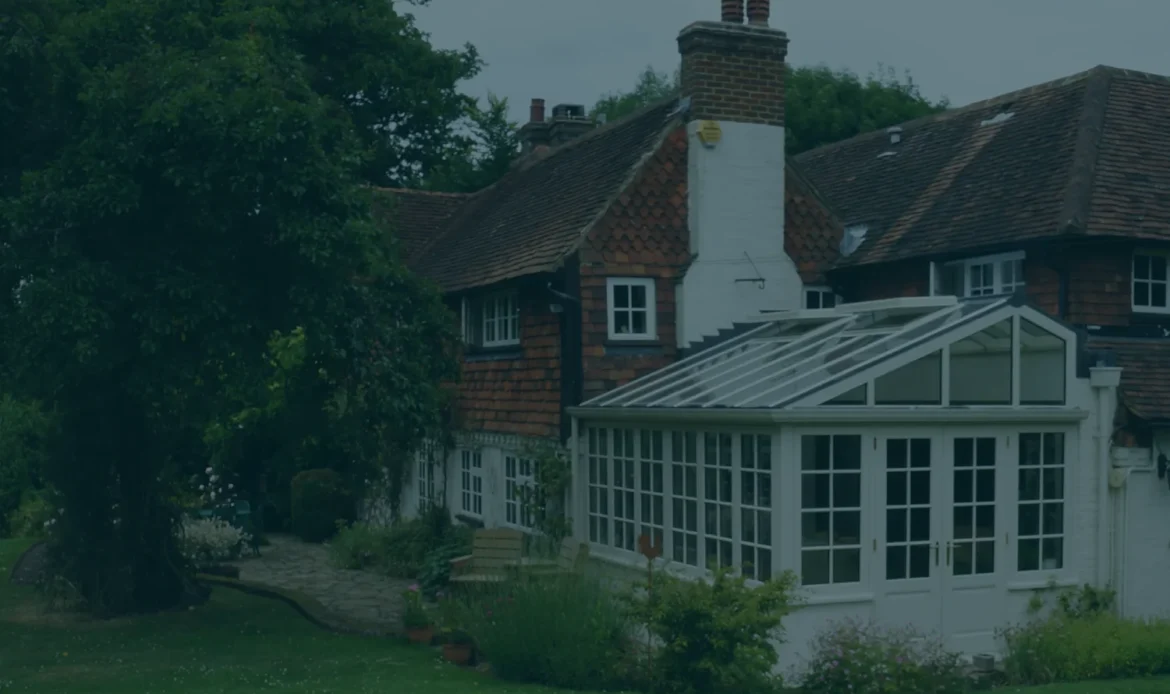
A beautiful extension rarely goes off course because of one dramatic mistake. More often, it unravels in the gaps between decisions – when the planning approval does not quite match the technical drawings, when structural requirements alter the layout, or when a joinery detail that looked elegant on paper proves awkward on site. That is where an extension project management service earns its place. For homeowners investing seriously in the future of their property, management is not an extra layer. It is the framework that keeps the entire scheme coherent.
The difference is felt most keenly on ambitious homes, where the extension must do more than add square footage. It may need to bring light deep into a period property, connect a kitchen with the garden, or introduce a contemporary living space without disturbing the character that made the house worth investing in to begin with. In these projects, good management protects not only programme and budget, but proportion, finish and experience.
Many clients begin with a clear idea of what they want the extension to achieve. They may picture a glazed dining area opening on to the garden, a handcrafted kitchen at the heart of family life, or a timber garden room that feels settled and architectural rather than temporary. The challenge is that a vision of this quality relies on dozens of interdependent decisions being made in the right order.
Design intent must be translated into planning drawings, then into manufacturing information, then into construction on site. Structural calculations, energy performance, drainage, glazing specifications, lead times, access constraints and final decoration all affect one another. Without central oversight, even a talented team can drift into fragmentation.
An extension project management service brings those moving parts under one umbrella. It creates continuity from first consultation through to final handover, so the project remains true to the original ambition while adapting sensibly to technical and site realities.
The phrase can sound broad, and in practice it should be. Effective management starts long before work begins on site.
At the early stage, it means shaping the brief properly. That includes understanding how the room will be used, what level of architectural intervention suits the property, and where investment will have the greatest effect. A kitchen extension designed for entertaining demands different decisions from a quieter garden-facing snug or orangery. The management role here is partly strategic – making sure the brief is grounded in both lifestyle and buildability.
From there, project management typically coordinates planning and permissions, technical development, structural design, manufacturing information, programme sequencing and installation logistics. It also means handling communication between designers, surveyors, engineers, specialist craftspeople and site teams.
On a high-end extension, details matter enormously. Ceiling heights, sightlines, cornice junctions, roof lantern proportions, door thresholds and the relationship between internal joinery and external glazing all need careful control. These are not minor finishing touches. They are the difference between a room that feels composed and one that feels merely added on.
One of the greatest frustrations for homeowners is not knowing who owns a problem. If the architect blames the contractor, the contractor blames the engineer and the supplier is still waiting for revised dimensions, the client is left carrying risk they never intended to manage.
A well-run extension project management service solves this by creating a single line of responsibility. That does not mean one person performs every specialist task. It means someone is accountable for how the pieces fit together and for making sure decisions are made before they become delays.
This clarity is especially valuable in occupied homes. Many families remain in residence during at least part of the works, which raises the stakes around access, dust control, temporary kitchen arrangements and daily communication. A refined project should not leave the household guessing what happens next.
There is a tendency to separate design from management, as though one is creative and the other purely administrative. On residential extensions, that is a false divide.
The finest design ideas are often the most vulnerable to poor coordination. Slim glazing bars, bespoke timber sections, carefully aligned rooflights and tailored interior joinery require exacting information and disciplined sequencing. If those elements are value-engineered late, ordered incorrectly or installed around unresolved structural issues, the design loses its clarity.
Good project management protects aesthetic intent. It ensures the warm, architectural qualities discussed at concept stage survive contact with planning requirements, site constraints and procurement decisions. For homeowners seeking a space that feels entirely at home within the property, this matters as much as staying on programme.
On premium residential work, budget conversations are rarely as simple as spending less. The more useful question is whether the budget is being invested in the right places.
An experienced project manager helps clients understand where specification genuinely improves longevity, comfort and visual quality, and where complexity may add cost without adding much value. That judgement is particularly important in extension schemes that blend structural work with specialist glazing, bespoke kitchens, timber joinery and decorative finishes.
There are always trade-offs. A larger span of glazing may require more structural intervention. A refined roof lantern detail may affect lead times. Hand-finished joinery may deserve protection even if another element is simplified. Sensible management does not flatten these decisions into a spreadsheet. It places them in context, so the finished room still feels balanced, enduring and worth the investment.
Most delays in extension work are not caused by a single slow week on site. They build up earlier, through incomplete information, slow approvals, long-lead items ordered too late or dependencies that were never properly mapped.
This is why programme scheduling is not simply a construction issue. It begins during design development. If planning permission is likely to require amendments, that must be allowed for. If specialist glazing, hardwood joinery or made-to-order roof elements are central to the design, their manufacture must be coordinated with groundwork, structural openings and interior finishes.
A thoughtful extension project management service keeps the critical path visible. It also gives homeowners realistic expectations. Premium work takes time, particularly when quality and craftsmanship are central to the outcome. The aim is not speed at any cost, but orderly progress without avoidable disruption.
Not every extension requires the same level of oversight. A straightforward addition with standard construction methods may need less day-to-day coordination than a large glazed kitchen extension to a listed or architecturally sensitive home.
But the more bespoke the project, the more valuable integrated management becomes. If the scheme involves planning sensitivity, tailored timber construction, structural alterations, specialist roof glazing, interior joinery and a high standard of finish, the interfaces multiply quickly. That is where homeowners benefit from working with a team that can carry design, technical detail and delivery together.
For many clients, this is not simply about efficiency. It is about peace of mind. They want to make confident decisions, not referee between consultants. They want to know the extension will feel considered from outside and deeply comfortable within. And they want the process to reflect the level of investment being made.
The right partner should be able to talk as confidently about planning strategy and structural coordination as about light, proportion and how the room will live day to day. That balance matters.
It is worth looking for evidence of finished projects where architecture, craftsmanship and final detailing are all strong. Ask how design changes are managed, how communication is handled, and who remains responsible from concept through installation. A polished brochure can inspire, but process is what protects the result.
For homeowners creating a long-term family space, the best extension project management service will feel calm, precise and deeply invested in the finished quality of the room. That may be an orangery designed to soften the threshold between house and garden, a kitchen extension arranged around natural light, or a tailored living space that makes the whole home work better.
At its best, project management is not a background function. It is the quiet discipline that allows craftsmanship, architecture and everyday living to meet in the same room – beautifully, and without compromise.