Built for living , loved for a lifetime.
About Us

Lorem Ipsum is simply dummy text of the printing and typesetting industry.
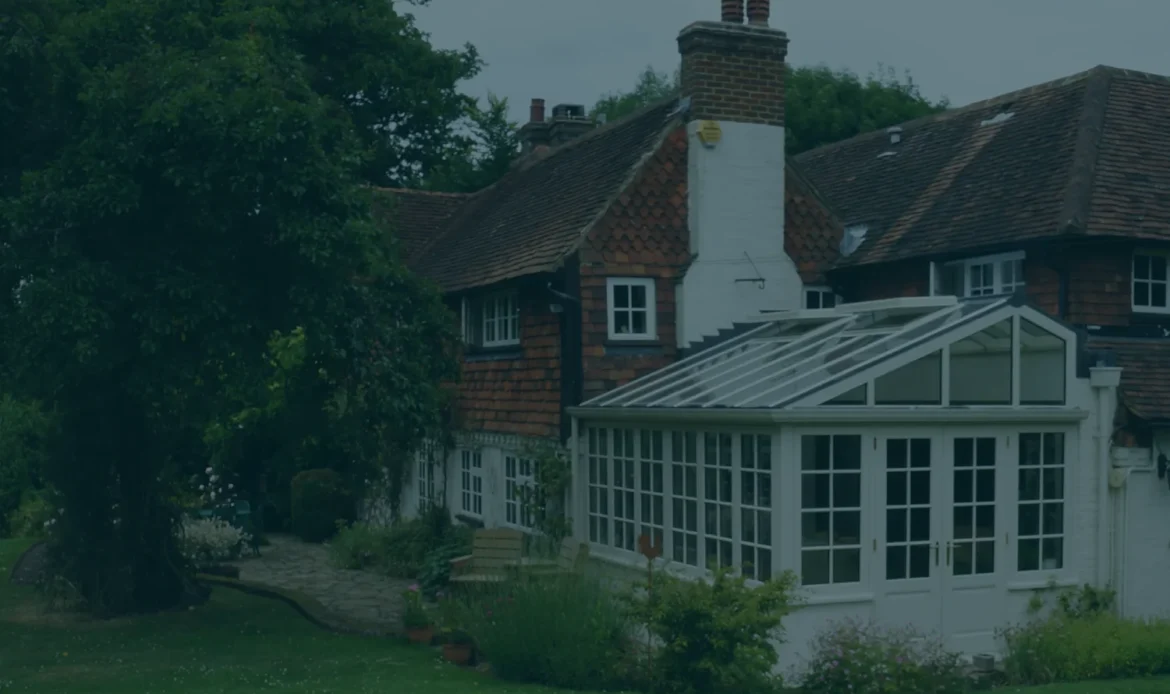
The rooms people remember are rarely the largest. They are the ones with the right light at breakfast, the right proportions for a long lunch, and the quiet confidence of a space that feels as though it has always belonged. That is why luxury conservatories and orangeries continue to hold such appeal for discerning homeowners. Done properly, they are not add-ons at the back of a property. They are architectural rooms that reshape how the house is lived in.
For period homes, they can restore a sense of grace between house and garden. For contemporary properties, they can soften hard lines and bring warmth through natural materials and carefully controlled glazing. In both cases, the aim is the same – to create a room that feels generous, grounded and beautifully integrated.
The difference is not simply a matter of size or decoration. A truly high-end glazed extension begins with architecture, not product selection. Proportion, sightlines, roof form, threshold details and material quality all matter more than surface trends.
An orangery traditionally has a greater sense of solidity. It tends to use substantial columns, a perimeter roof structure and often a roof lantern to draw light into the centre of the room. The result is calm, composed and particularly well suited to kitchen extensions, garden rooms and family living spaces where a stronger architectural presence is desired.
A conservatory is usually more extensively glazed, with a lighter visual character and a closer relationship to the garden. In a luxury setting, that does not mean it should feel overly transparent or exposed. The best bespoke conservatories are carefully balanced, using timber framing, considered roof design and elegant glazing bars to create rhythm, privacy and comfort rather than glare.
This is where many homeowners face the first meaningful decision. Do you want a room that feels like a natural continuation of the house, with masonry and structure giving weight and permanence? Or do you want a lighter pavilion-like space with broader views and a more overt connection to the landscape? Neither answer is universally right. It depends on the property, the orientation and how you plan to live in the room every day.
The choice often comes down to atmosphere as much as function. If you are extending a listed or period house, an orangery can be especially effective because it bridges old and new with quiet confidence. It can support classical detailing, generous cornicing and a roof lantern that brings light from above without relying on fully glazed walls.
A conservatory may be the better answer where garden views are exceptional, where the architecture calls for something lighter, or where you want to create a more romantic, sun-filled room for reading, entertaining or simply stepping away from the pace of the main house.
There are practical considerations too. Solar gain, privacy, furniture layout and year-round comfort should shape the design from the outset. South-facing schemes require careful thought around shading and ventilation. North-facing rooms can be wonderfully serene, but they need enough light and warmth to avoid feeling cool. Rooms used as everyday kitchen-living spaces need stronger planning around services, lighting and circulation than occasional-use spaces.
In premium homes, the answer is rarely to force one format into every setting. It is to design the right room for the architecture and the life being lived within it.
Luxury is often spoken about as though it were a finish. In reality, it begins much earlier – in the honesty of the materials, the precision of the joinery and the way the structure ages over time.
Hardwood timber remains one of the most compelling choices for bespoke glazed extensions because it offers both beauty and substance. It carries detail well, gives warmth to the interior and sits comfortably alongside period brickwork, stone and painted interiors. It also allows for the kind of fine craftsmanship that gives a room its character: elegant glazing bars, beautifully profiled frames, deep reveals and a tactile finish that feels closer to furniture than standard construction.
That sense of quality becomes even more important in rooms defined by daylight. Strong light is unforgiving. It will reveal clumsy proportions, flat materials and poor junctions in a moment. By contrast, well-crafted timber and thoughtfully resolved details only improve under scrutiny.
One of the most common mistakes in extension design is creating a room that photographs well but does not quite support daily life. The most successful luxury conservatories and orangeries are shaped around use. They make family life easier, entertaining more elegant and ordinary moments more enjoyable.
If the room is to form part of a kitchen extension, for example, the relationship between cooking, dining and sitting areas must be seamless. Natural light should fall where it is useful, not simply where it is dramatic. Ceiling heights need to feel balanced against the existing house. Openings into the garden should be generous without making furniture planning impossible.
If the room is intended as a quieter retreat, scale becomes even more important. Too large and it can feel exposed. Too small and it risks becoming an expensive thoroughfare. Good design resolves these tensions subtly. It creates places to sit, pause and look out, while preserving the flow back into the rest of the home.
This is where a bespoke design-and-build approach has real value. Rather than asking a homeowner to coordinate designers, engineers, planners and installers separately, a managed process allows the room to be considered as a complete architectural project from the first sketch onwards.
A refined result depends on technical discipline. Planning considerations, structural calculations, energy performance and ventilation strategy may not be the glamorous part of a project, but they shape whether the final room feels effortless or compromised.
In conservation areas or on architecturally sensitive homes, approvals may require a particularly careful design response. Roof heights, glazing proportions and the relationship to the original building all come under closer scrutiny. A heritage-led approach is often the right one, not because it means pastiche, but because it respects the language of the house.
Performance matters just as much. Luxury should mean comfort in January as well as delight in July. That requires thoughtful glazing specification, proper insulation, carefully integrated heating and ventilation, and detailing that avoids the cold spots and awkward transitions that can undermine the experience of the room.
Lighting is another factor often left too late. Daylight may be the star of the show, but after dark the room must still feel composed and inviting. Layered lighting, discreet architectural fittings and a clear plan for evening use can transform a space from impressive to genuinely liveable.
When clients invest in this level of extension, they are rarely buying floor area alone. They are investing in how the house performs emotionally and practically over the long term. A beautifully designed orangery or conservatory can improve circulation, bring coherence to a disjointed ground floor and give the garden a more meaningful role in everyday life.
It can also strengthen the overall architectural value of the property. Buyers notice when an extension feels intrinsic rather than appended. They respond to craftsmanship, to natural materials and to rooms that feel settled and complete.
That said, value is not created by expense for its own sake. It comes from judgement. Oversized glazing, fashionable finishes and unnecessary complexity can date surprisingly quickly. Enduring design is usually quieter than that. It is built on proportion, material integrity and a confident understanding of the house itself.
The most impressive projects make people pause for a simple reason: they feel right. Not louder, not larger, not more ornate than necessary. Just right for the property, the setting and the people who live there.
That is the enduring appeal of luxury conservatories and orangeries. They offer light, yes, and elegance, certainly, but their real contribution is subtler. They create rooms where mornings begin more gently, gatherings flow more easily and the garden becomes part of the home in a lasting, architectural way.
If you are considering one for your property, the best starting point is not style alone. It is asking how you want the house to feel when the room is finished – and choosing a design that will still answer that beautifully years from now.