Built for living , loved for a lifetime.
About Us

Lorem Ipsum is simply dummy text of the printing and typesetting industry.
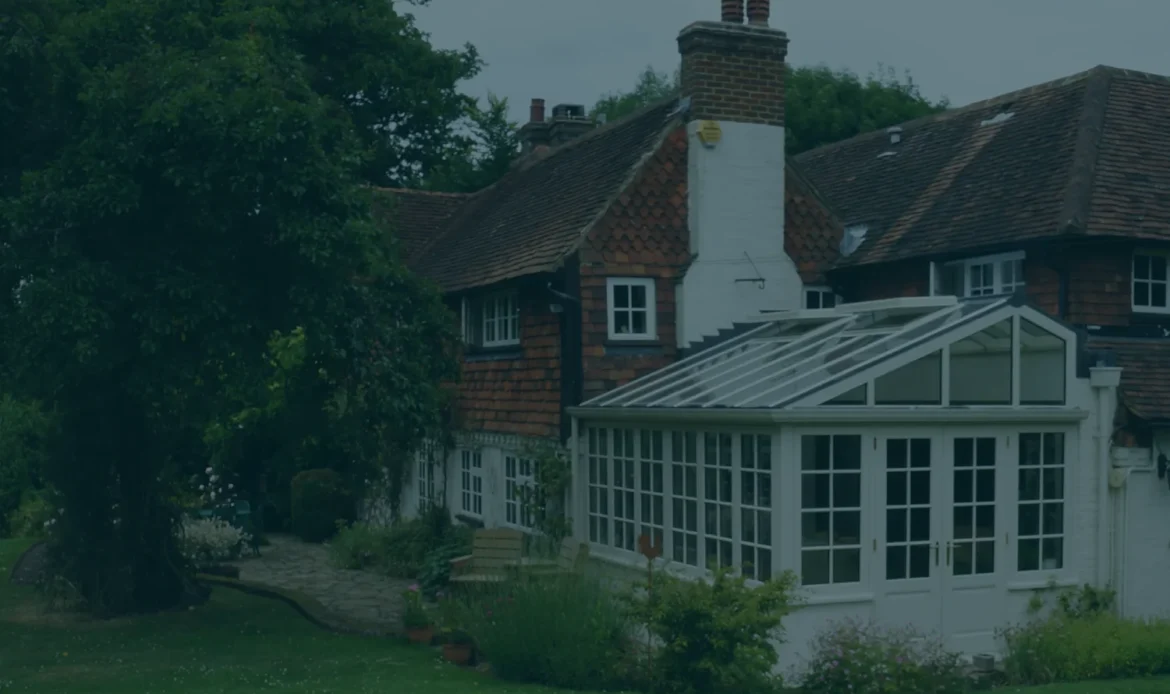
The best hardwoods for conservatories do far more than frame glass. They shape how the room feels in winter light, how finely the detailing can be resolved, and how confidently the structure will age over decades. For homeowners investing in a space that must sit beautifully against the architecture of the house, timber choice is not a finishing touch. It is one of the decisions that defines the whole result.
A conservatory occupies a very particular place in the home. It is part architecture, part interior, and part garden room. That means the timber must work hard on every front. It needs the structural integrity to support generous glazing, the stability to cope with changing temperatures, and the character to look considered rather than purely functional. The right hardwood brings all three together.
Not every hardwood is equally suited to this kind of build. Some are admired for their grain but move too readily. Others are durable yet visually too coarse for refined joinery. In a conservatory, the timber has to perform in a more exposed environment than much of the rest of the home, with strong sunlight, fluctuating heat and higher levels of moisture around glazing and external doors.
That is why the best hardwoods for conservatories tend to share a few key qualities. They offer natural durability, good dimensional stability, and enough density to hold crisp mouldings, glazing bars and elegant joinery details. They also finish well, whether painted in a classic heritage tone or stained to reveal the beauty of the grain.
There is another factor, too, and it matters more than many people realise. A conservatory should feel architecturally at ease with the main house. Timber selection can support that beautifully. A Georgian-inspired design attached to a period property may call for a different expression from a more contemporary orangery-style space opening from a modern kitchen extension.
Oak remains one of the most admired choices, and with good reason. It has an unmistakable presence – warm, characterful and deeply rooted in British architectural tradition. In the right setting, oak lends a conservatory a sense of permanence that feels entirely natural, particularly when paired with stone flooring, traditional joinery details and a house with heritage credentials.
From a performance point of view, oak is strong and durable, making it well suited to substantial structures. It can be used very effectively in conservatories where exposed timber is part of the visual story. The trade-off is that oak has a pronounced grain and a natural tendency to move more than some tropical hardwoods if not properly selected, engineered and detailed. For that reason, it rewards careful design and expert manufacture.
For clients who want a room with texture, authenticity and a more traditional feel, oak is often the benchmark.
Sapele is one of the most widely respected hardwoods in high-quality external joinery, and for many conservatory projects it is the most balanced choice. It is dense, durable and relatively stable, with a finer, more consistent grain than oak. That makes it excellent for painted finishes and for the kind of tailored detailing that gives a conservatory a refined, architectural quality.
It also adapts well across styles. In a classic design, sapele can carry traditional mouldings and proportions with ease. In a more contemporary scheme, it offers a clean, elegant base without visual heaviness. This versatility is a large part of its appeal.
Its natural reddish-brown tone can be very attractive where a stained finish is desired, although many luxury conservatories specify paint for a more integrated look against the main house. Either way, sapele combines beauty with reliable performance, which is why it is so often considered among the best hardwoods for conservatories.
Idigbo is sometimes discussed alongside premium joinery timbers because it takes paint exceptionally well and offers a more uniform appearance. It is lighter in weight than oak or sapele and can be a sensible option in certain applications where a painted finish is the clear intention.
That said, it is generally seen as a more situational choice rather than the first choice for a truly long-term luxury conservatory. It does not offer the same level of natural durability or prestige as the strongest hardwood contenders, so success depends heavily on specification, detailing and maintenance. In a premium project where longevity and architectural substance are priorities, many homeowners prefer to step up to a more inherently durable hardwood.
Strictly speaking, Accoya is modified timber rather than a hardwood, but it often appears in discussions about conservatory materials because of its excellent stability and durability. It performs impressively in environments where timber movement must be tightly controlled, and it holds coatings very well.
For purists seeking the richness and natural gravitas of hardwood, it may not carry the same appeal. Yet in design terms, especially for painted joinery, it can be a serious contender. Whether it is right comes down to priorities. If the brief is rooted in heritage, tactile grain and traditional hardwood character, oak or sapele will usually feel more aligned. If painted precision and dimensional stability take precedence, modified timber can become relevant.
For many homeowners, this is the real decision.
Oak suits conservatories where the timber itself is meant to be seen and appreciated. It has depth, variation and a familiar sense of craftsmanship. In period homes or country houses, it often feels entirely at home. If you want a conservatory that looks as though it could have evolved with the property over time, oak has a compelling honesty to it.
Sapele is often the more versatile architectural choice. It is superb for bespoke joinery, particularly when the design calls for fine sections, elegant paint finishes and a polished relationship with both old and new architecture. It gives designers a little more control and predictability, which can be valuable in complex glazed structures.
Neither is universally better. It depends on the look you want, the detailing involved, the orientation of the space and how much of the timber you wish to celebrate visually.
A beautifully designed conservatory does not rely on timber species alone. The grade of the wood, the way it is seasoned, the accuracy of the machining, and the joinery detailing all influence performance over time. Poorly prepared timber can compromise even an excellent species. Well-selected, engineered timber can elevate the result significantly.
This is especially relevant in glazed structures, where tolerances matter. Fine sightlines, smooth opening elements and long-term weather performance are achieved through craftsmanship as much as raw material. The best outcomes come from specialist design-and-build teams who understand how timber behaves in real conditions, not just on paper.
In higher-value homes, this matters beyond practicality. A conservatory should feel integrated with the architecture and interior scheme, not appended to it. Timber that is properly chosen and expertly worked has a visual calmness – crisp joints, elegant proportions, and a finish that feels composed at every touchpoint.
The choice of finish will shape which timber feels most suitable. If you are drawn to a painted conservatory in a heritage white, soft stone or deeper architectural tone, sapele often proves an excellent base because of its consistency and finish quality. Oak can be painted too, but many clients feel it is best appreciated when its natural grain remains visible.
A stained or clear-finished timber conservatory makes more of the material itself. This can be striking, particularly in garden-facing rooms where the joinery becomes part of a warmer, more tactile interior palette. The trade-off is that natural finishes tend to show weathering differently and may require a more considered maintenance approach over time.
For many luxury projects, painted hardwood offers the best of both worlds – the strength and quality of timber with a finish that integrates elegantly with the home.
All timber conservatories require care, but good hardwood repays that care exceptionally well. Properly designed roof overhangs, sound water management, breathable coating systems and regular inspections all support long-term performance. A well-built hardwood conservatory should not feel high-maintenance; it should feel reassuringly enduring.
This is where material choice connects directly to value. A conservatory is not simply an extra room. It is an architectural addition that can reshape everyday living, improve the connection to the garden and enhance the way the property is perceived as a whole. Timber with genuine quality contributes to that value in ways that are both practical and emotional.
When clients come to Farrow & Jones, they are usually not asking only which wood lasts longest. They are asking a more interesting question: which material will allow this room to feel timeless, tailored and entirely right for the house? That is the better lens through which to decide.
If there is a single answer, it is this: sapele is often the most versatile all-round choice, while oak is the most characterful. Sapele suits a wide range of conservatory styles and performs consistently in bespoke joinery. Oak offers unmistakable warmth and heritage appeal, especially where exposed timber is central to the design.
The right decision rests on the architecture of the property, the finish palette, and the atmosphere you want the room to hold. The finest conservatories are not led by material alone, but by how beautifully every element belongs together.
Choose the timber that will still look right when the room is full of morning light, family life and years of use – because that is when quality really shows.