Built for living , loved for a lifetime.
About Us

Lorem Ipsum is simply dummy text of the printing and typesetting industry.
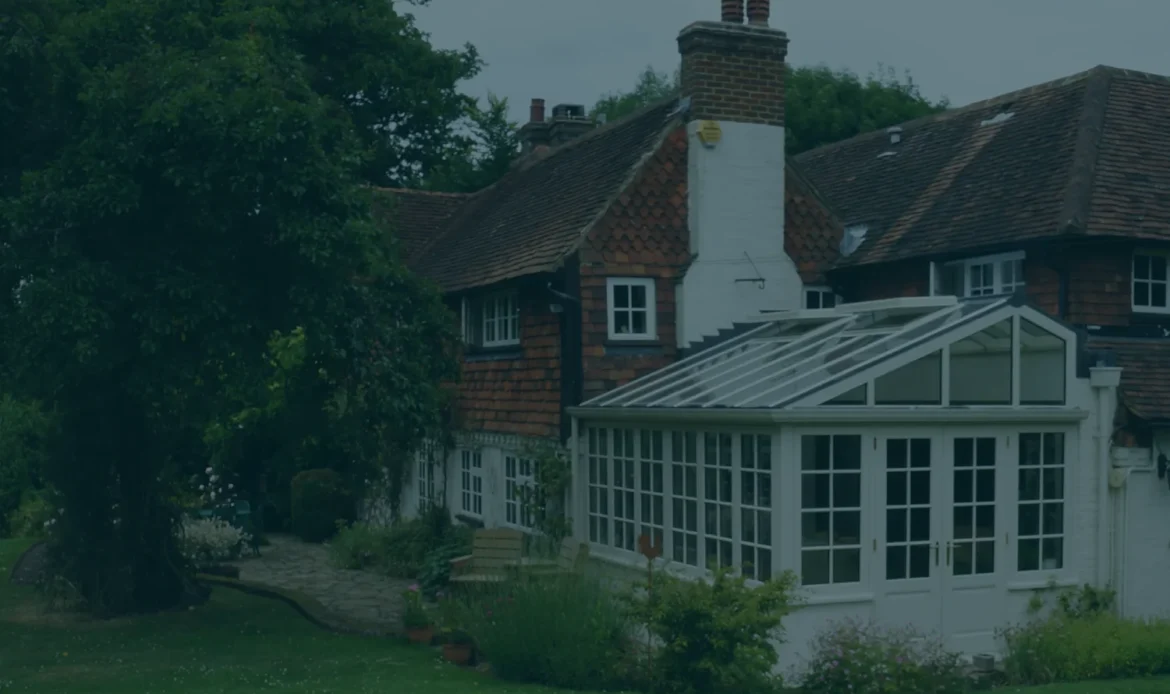
The best open plan spaces do not feel simply larger. They feel better organised, calmer to live in, and more connected to the garden and the rhythm of the day. That is exactly why an open plan orangery kitchen extension has become such a compelling choice for homeowners who want more than extra floor space. Done well, it gives you a kitchen that performs beautifully, a dining area that feels naturally inviting, and a living space filled with light rather than glare.
What makes this kind of extension so appealing is its balance. It offers the generosity of open-plan living while keeping a strong sense of architecture. An orangery is not just a glazed box attached to the rear of a house. It has more presence than that – more solidity, more proportion, and often a more elegant relationship with the original building.
For many period and premium contemporary homes, the challenge is not a lack of character. It is a lack of flow. Traditional layouts can leave kitchens tucked away at the back, dining rooms underused, and garden views confined to one part of the house. An orangery extension changes that dynamic by creating a central space designed around modern living.
The combination of solid structure and generous glazing is what sets it apart. You gain the natural light people often seek from a glazed extension, but with a more grounded, architectural feel. Roof lanterns draw daylight deep into the room, while masonry piers and carefully framed elevations help the new space feel rooted and substantial.
That matters aesthetically, but it matters practically too. In a kitchen-living environment, the room has to do several jobs at once. It must cope with cooking, conversation, entertaining, family life and moments of quiet. A well-designed orangery gives each of those activities a place without making the whole room feel over-zoned or overworked.
The success of an open plan orangery kitchen extension is rarely about size alone. Proportion, circulation and sightlines matter far more. A room can be expansive and still feel awkward if furniture floats without purpose or the kitchen dominates every view.
The starting point is usually the kitchen itself. In most schemes, the cabinetry forms the practical anchor, often with a generous island creating a natural social focus. From there, the dining area tends to sit closest to the garden-facing glazing, where daylight supports both everyday family meals and more formal entertaining. A seating area can then occupy the quieter edge of the room, benefiting from garden views but feeling slightly removed from the working kitchen.
The clever part is how these zones speak to one another. You do not want rigid separation, but you do want visual logic. Ceiling details, joinery, flooring direction, lighting and furniture placement all help establish that sense of order. The room should feel open, not vague.
There is also the question of how the extension connects back to the original house. Sometimes the most effective solution is a wide opening that preserves some definition between old and new. In other homes, removing more internal structure creates a single continuous living space. It depends on the architecture of the property, the way the family lives, and how much distinction you want between cooking, relaxing and entertaining.
One of the great attractions of an orangery is the quality of light. Roof lanterns can transform a deep plan, lifting the entire atmosphere of a kitchen and making the room feel composed and uplifting from morning through to evening. Vertical glazing strengthens that connection with the garden, especially in homes where the rear aspect is a major asset.
But more glass is not always better. Too much can leave a room feeling exposed in winter, overly bright in summer, or visually flat if every wall becomes transparent. The most refined schemes treat daylight as something to shape rather than simply maximise.
This is where an orangery has a real advantage. Because there is more solid structure than in a fully glazed extension, there is greater opportunity to create balance. Walls can house tall cabinetry, art, feature lighting or a fireplace. Roof lanterns can be sized to enhance the room rather than overwhelm it. The result is a space that feels bright and airy, while still intimate enough for everyday living.
An open-plan kitchen is one of the hardest working spaces in the home, so materials need to do more than look impressive on day one. They should age gracefully and sit comfortably within the wider architecture of the house.
In an orangery setting, natural materials often work best. Hardwood timber brings warmth and detail, especially where craftsmanship is part of the design intent. Natural stone, porcelain, richly painted cabinetry and metal accents can all be layered to create a finish that feels tailored rather than trend-led.
Continuity is important here. The extension should not feel like a separate design language bolted onto the house. In period properties, that may mean referencing existing proportions, mouldings or joinery details in a more restrained contemporary way. In newer homes, it may mean introducing texture and depth so the room does not feel too clinical.
This is often where quality reveals itself. Bespoke elements – whether in cabinetry, internal screens, seating joinery or lantern detailing – make an orangery kitchen extension feel resolved. There is a world of difference between a space that has been fitted and one that has been composed.
This is where honesty matters. Open-plan living suits many households beautifully, but it is not without compromise. Cooking sounds travel. Everyday clutter is more visible. A large family room can feel magnificent when styled and sunlit, yet slightly exposed if there is nowhere to retreat.
That does not mean scaling back the ambition. It means designing with nuance. A walk-in pantry, utility room or secondary prep area can take pressure off the main kitchen. Built-in banquette seating can create a more sheltered dining zone. A change in ceiling treatment or a partially enclosed snug corner can offer softness within the openness.
In other words, the most successful open plan orangery kitchen extension does not try to make one room behave like every room. It recognises the realities of daily life and introduces layers of function accordingly.
The visual appeal of an orangery is immediate, but the outcome is shaped just as much by what sits behind the scenes. Structural design, thermal performance, glazing specification, ventilation and build quality all have a direct impact on how comfortable the room feels once you are living in it.
Planning considerations will vary by property and setting. Listed homes, conservation areas and substantial alterations to period houses all call for particular care. Even where formal planning is more straightforward, design discipline still matters. The extension should respect the scale and character of the house while clearly improving how it functions.
This is one reason a fully managed approach is so valuable. Bringing together design, permissions, technical development and installation under one roof helps protect the integrity of the original concept. It also avoids the fragmented experience many homeowners fear – where one party draws, another interprets, and the final result loses the finesse that made it appealing in the first place.
There is a reason these rooms are so often described as the heart of the home, even if the phrase is overused. A well-considered orangery kitchen extension genuinely changes how a house is lived in. It can turn a dark rear elevation into the most desirable part of the property. It can support busy family mornings, long Sunday lunches, larger gatherings and quieter evenings without ever feeling one-dimensional.
For architects and design-conscious homeowners alike, the appeal lies in that rare combination of beauty and usefulness. The room should feel impressive, certainly, but also instinctive – easy to move through, comfortable in every season, and in harmony with the character of the house.
At its best, this is not an extension that shouts for attention. It is one that feels as though it always belonged there, bringing light, proportion and everyday elegance to the way you live.