Built for living , loved for a lifetime.
About Us

Lorem Ipsum is simply dummy text of the printing and typesetting industry.
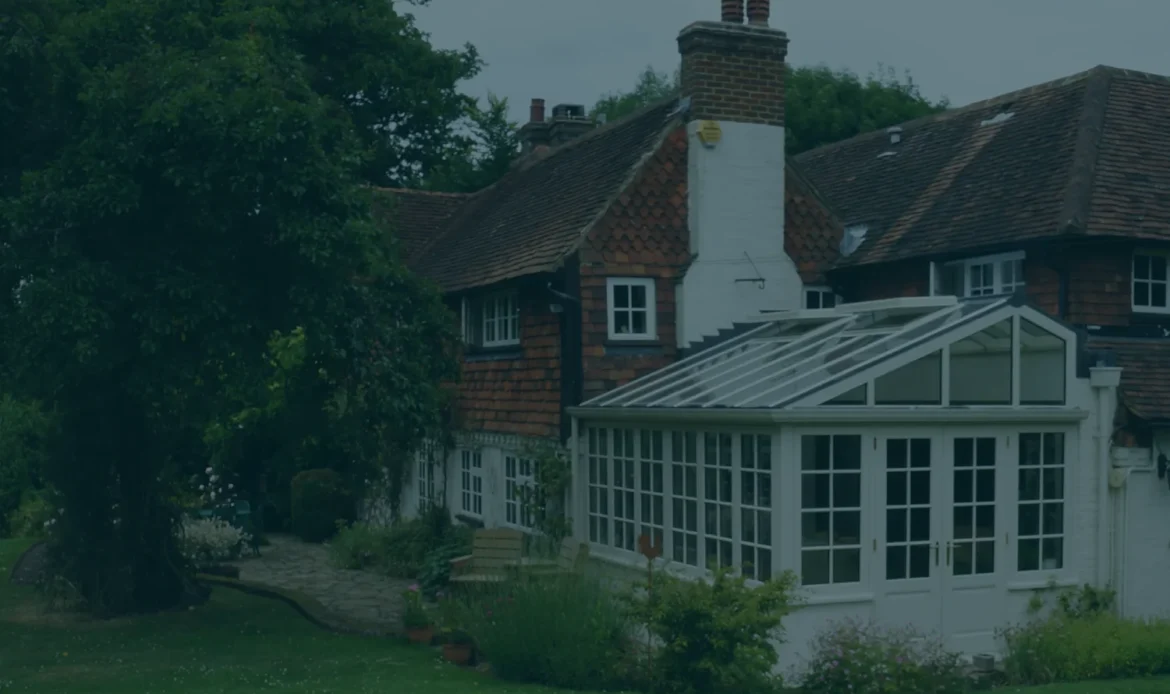
The number most homeowners ask for first is the one no designer can answer honestly in a single sentence. A kitchen extension is not one item with one price. It is structure, glazing, groundwork, design, lighting, heating, joinery, approvals and finish – all shaped by the house you already own and the way you want to live in it. A clear guide to kitchen extension budgeting starts there: with choices, not just square metres.
For a design-led project, budget is less about finding the lowest figure and more about understanding what drives value. The most successful kitchen extensions feel calm, generous and beautifully integrated because decisions were made in the right order. Layout came before finishes, structure before decoration, and long-term quality before short-term compromise.
When people talk about extension costs, they often mean the visible part – the new room itself. In reality, the budget must stretch across a much wider brief. There is the architecture and design development, the planning route where required, technical drawings, structural calculations, building regulations, site preparation, foundations, drainage, steelwork, insulation, glazing, roofing, internal finishes, kitchen furniture, appliances and landscaping where the new threshold meets the garden.
That list matters because one of the most common budgeting mistakes is treating the shell and the finished living space as separate ambitions. If your aim is an elegant kitchen-dining room with roof lanterns, bespoke cabinetry and large-format doors opening onto a terrace, the budget should reflect the full experience from the outset. Otherwise, the structure gets built and the finish falls short of the vision.
A premium extension also tends to involve more than construction alone. It asks for thoughtful detailing, proportion, material continuity and careful project management. Those elements may not always be obvious in a spreadsheet, but they are exactly what prevent a new addition from feeling bolted on.
A more useful way to budget is to break the project into stages. Early-stage design is where you define the size, form and level of specification. This is the point at which ambitious ideas can be tested against planning constraints, structural realities and spend. Changes made on paper are manageable. Changes made once the build is under way are rarely efficient.
The next stage is technical development. Here, the design becomes buildable. Structural calculations, glazing requirements, thermal performance, drainage solutions and junction details begin to influence cost with greater precision. If you are creating a kitchen extension in a period property, this stage is especially important because matching proportions and integrating old with new often requires a more tailored approach.
Construction is usually where people expect the budget to sit, but by then many of the biggest cost decisions have already been made. Excavation depth, access to site, the amount of steel required, the complexity of the roof and the scale of glazing all affect the build cost significantly. Then comes fit-out, which can move the figure sharply depending on cabinetry, worktops, specialist lighting, flooring and joinery.
Finally, there are the finishing works beyond the room itself. Redecoration to adjoining spaces, alterations to utility areas, new flooring through the ground floor, garden steps, terraces and external lighting often become part of the natural scope once the project begins. They should not be treated as afterthoughts.
Not all square metres cost the same. A straightforward rear extension with a relatively simple roof form will behave very differently, from a budgeting perspective, to a kitchen extension with extensive glazing, vaulted ceilings or heritage-style detailing. The latter can be entirely worthwhile, but it should be costed with open eyes.
Glazing is one of the most transformative features in a kitchen extension, and often one of the most significant budget drivers. Large sliding or bifold doors, slim-framed glazing, roof lanterns and shaped timber windows all elevate light and atmosphere, but specification matters. Performance, detailing and visual quality sit behind the price.
Kitchens themselves also vary enormously. Bespoke cabinetry, natural stone surfaces, integrated appliances and a substantial island can become a major proportion of the overall spend. For many households, that is justified because the kitchen is not an add-on to the extension – it is the purpose of it. The key is to budget for the kitchen as part of the architecture of the room rather than a later furnishing exercise.
Joinery, flooring and lighting have a similar effect. Tailored pantry storage, banquette seating, internal screens and carefully layered lighting create a more resolved space, but they need early allowance. If these elements matter to the final feel, they belong in the first budget conversation, not the last.
Every experienced team knows that extensions reveal things. Drains appear where they were not expected. Existing walls need more support than drawings suggested. Levels between house and garden require additional engineering. Consumer units need upgrading. Boiler capacity becomes a question once underfloor heating and a larger kitchen are introduced.
None of this is unusual. It is simply part of working with real homes rather than idealised plans. A sensible guide to kitchen extension budgeting must therefore include a contingency. Not because the project is out of control, but because older properties and complex remodels rarely behave with absolute predictability.
Fees and statutory costs also deserve proper attention. Planning applications where needed, building control, structural engineering, party wall matters, surveys and specialist reports can all sit outside a headline build figure. If you are in a conservation-sensitive setting or altering a listed or character-rich home, these professional inputs may be even more involved.
Temporary living arrangements can add cost too. Some families remain in residence during works, which can be practical but disruptive. Others move out for part of the build to protect daily life and accelerate progress. Neither choice is universally right, but both have implications for budget and programme.
The best budgets begin with priorities. Decide what the extension must achieve beyond extra floor area. It may be better garden connection, a more sociable layout, increased natural light or a kitchen that finally suits the scale of the house. Once those priorities are clear, it becomes easier to distinguish between what adds genuine value and what simply adds cost.
It also helps to think in terms of overall investment rather than isolated line items. Homeowners sometimes fixate on one visible feature while underestimating the importance of the envelope, detailing or layout refinement around it. Yet the feeling of quality usually comes from the whole composition. Beautifully judged proportions, strong natural light and consistent materials often outlast trend-led decisions.
A fully managed approach can support budget control more effectively than a fragmented one. When design, technical development and delivery are coordinated under one umbrella, there is generally better visibility over scope, sequencing and specification. For clients investing in a tailored space, that alignment is often what protects both the budget and the integrity of the finished result.
If there is a tension between aspiration and spend, the answer is not always to reduce size. Sometimes a slightly smaller extension with better materials, calmer detailing and a stronger relationship to the existing house will offer more lasting satisfaction than a larger but less resolved scheme. This is where thoughtful design earns its place.
In higher-value homes, budgeting is rarely only about utility. It is about preserving character while improving everyday living. That balance has cost implications. Matching brickwork, creating elegant sightlines, introducing heritage-style glazing or carrying bespoke joinery into adjacent rooms all require care.
Yet these are often the details that make an extension feel native to the property rather than merely attached to it. In areas such as the Cotswolds, Oxfordshire or Surrey, where architectural context can matter greatly, homeowners are often right to invest in design coherence. The returns are not just visual. A well-integrated extension tends to support long-term value more convincingly than one that prioritises floor area alone.
For this reason, premium projects benefit from early honesty about finish level. If the ambition is a sofa-ready space with refined materials and beautifully resolved detailing, that should shape the budget from the beginning. Trying to engineer luxury at the final stage nearly always leads to frustration.
A kitchen extension budget works best when it gives the design room to breathe. That means accounting for the unseen essentials, protecting the details that define quality and leaving enough flexibility for the realities uncovered during construction. The right investment should not simply build more space – it should create a room that feels as though it always belonged there, and that rewards daily life for years to come.