Built for living , loved for a lifetime.
About Us

Lorem Ipsum is simply dummy text of the printing and typesetting industry.
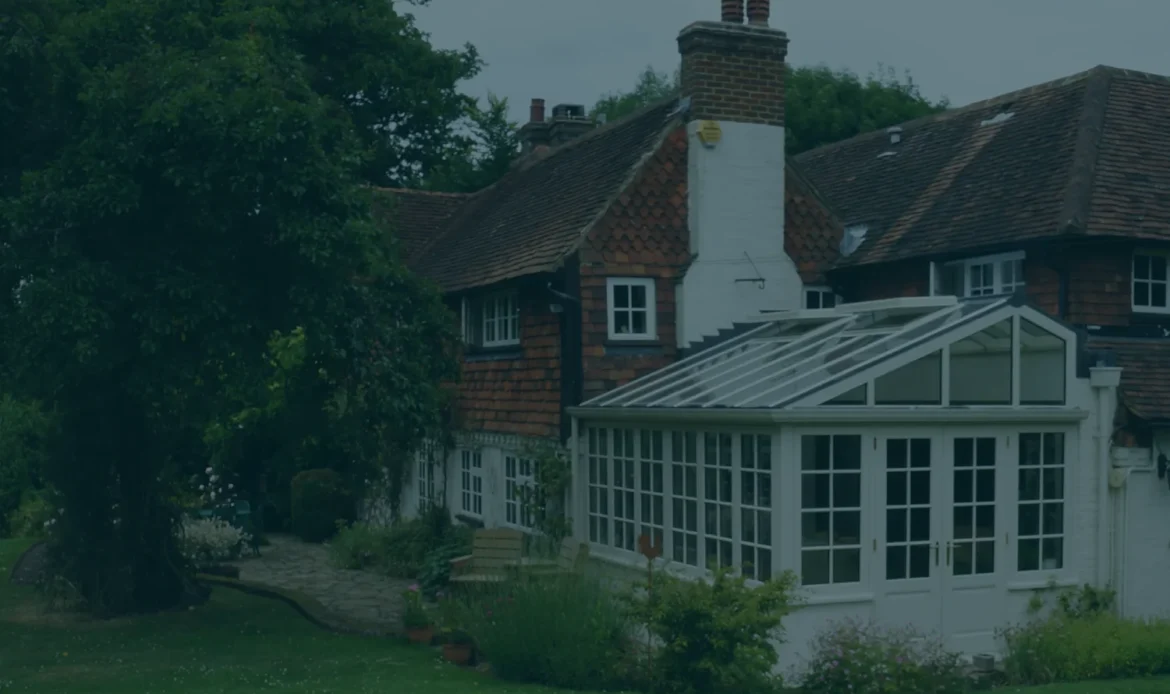
If you have ever walked into a kitchen extension and felt the whole room lift upwards, chances are a roof lantern was doing much of the work. For homeowners planning a thoughtful extension rather than simply adding square footage, understanding what is a roof lantern can be the difference between a room that feels serviceable and one that feels exceptional.
A roof lantern is a raised, glazed structure set on a flat or low-pitched roof, designed to bring daylight into the space below. Unlike a standard rooflight, which usually sits flush with the roofline, a roof lantern projects upwards with framed sides and a glazed top. That extra height gives it a more architectural presence, creating a sense of volume as well as light.
In practical terms, it is often used over kitchen-dining extensions, orangery-style rooms and garden-facing living spaces where natural light and visual drama matter in equal measure. In design terms, it can become the defining feature of the room.
At its simplest, a roof lantern draws natural light deep into the centre of a home, particularly in parts of an extension where vertical windows alone may not be enough. This is especially valuable in rear extensions, where the footprint grows but the middle of the room can otherwise feel flat or shaded.
Yet its role is not only functional. A well-designed roof lantern changes the character of a room. It introduces height, frames views of the sky and gives an extension a more considered, architectural finish. In a kitchen-living space, that can mean the island feels more like a social centrepiece. In an orangery, it can create the quiet formality that makes the room feel rooted in the house rather than simply attached to it.
That distinction matters. The best roof lanterns do not look added on as an afterthought. They feel proportionate, balanced and completely at home within the wider design.
This is where many homeowners pause, because the two are often confused. Both bring light in from above, but they create very different effects.
A rooflight is generally simpler and more contemporary in appearance. It sits close to the roofline and is often chosen for minimalism. A roof lantern is more expressive. Its elevated form creates a ceiling feature as much as a glazing solution, making it particularly well suited to rooms where elegance and spatial quality are central to the brief.
Neither is universally better. It depends on the architecture of the house and the atmosphere you want to create. If the aim is clean modern restraint, a flush rooflight may be right. If the aim is to add light while also giving the room presence, a roof lantern often offers more.
The most successful roof lanterns are used where they can solve a design problem and enrich daily living at the same time. Large open-plan extensions are a natural fit because they often need overhead light to prevent the space feeling long or heavy. Positioned above a dining area or central island, a lantern can help organise the room without adding walls or visual clutter.
They also suit orangeries particularly well. In that setting, the roof lantern becomes part of a more classical composition, often working with perimeter ceiling details and carefully proportioned glazing to create a room that feels both airy and grounded.
Period homes can benefit enormously too, provided the detailing is handled sensitively. A heritage-inspired timber lantern can sit beautifully alongside traditional materials, preserving the character of the property while improving how it functions for modern family life.
Not all roof lanterns have the same effect. Proportion, sightlines, materials and placement all influence how refined the finished result feels.
Size is the first consideration. A lantern that is too small can look apologetic and fail to deliver enough daylight. Too large, and it can dominate the roof awkwardly or flood the room in a way that feels harsh rather than balanced. The right dimensions depend on the scale of the room, ceiling height and how the extension connects to the existing house.
Frame design matters just as much. Slim, elegant glazing bars tend to create a lighter appearance and allow more sky to be seen. Heavier profiles may suit more traditional architecture, but only when used with care. The goal is always coherence – the lantern should feel as though it belongs to the house, not simply to the brochure.
Then there is the question of material. In premium homes, timber is often chosen for its warmth, depth and architectural quality. It lends a softness and permanence that works beautifully in both heritage and contemporary settings. More importantly, it allows the lantern to feel crafted rather than merely assembled.
There is a reason clients are drawn to roof lanterns beyond the practical need for daylight. They alter how a room is experienced across the day.
Morning light enters differently from overhead glazing than from bi-fold or sliding doors. Midday brightness reaches the centre of the room rather than stopping at the edges. On overcast afternoons, the ceiling still seems animated rather than dull. In the evening, the glass above reflects interior lighting and draws the eye upward, maintaining a sense of openness after dark.
This is why roof lanterns are so often associated with rooms that are used for gathering, cooking and entertaining. They support the atmosphere people want from modern living – light-filled, connected, generous and comfortable.
There are, and they are worth understanding early. The first is solar gain. A large glazed area overhead can increase warmth in summer if the design, specification and orientation are not considered properly. This is not a reason to avoid a roof lantern, but it is a reason to treat it as part of a complete design rather than a standalone feature.
Thermal performance in winter matters too. High-quality glazing, sound detailing and proper installation are essential if the room is to feel comfortable all year round. In well-executed projects, this is entirely achievable, but shortcuts show quickly in overhead glazing.
Privacy can also be a consideration, depending on surrounding buildings. While a roof lantern usually gives you sky rather than direct overlooking, neighbouring upper storeys may affect positioning and design.
Finally, maintenance should not be ignored. Glazing on the roof will need occasional cleaning, and access should be considered from the outset. A beautiful feature remains beautiful when it has been designed for real life as well as photographs.
Because a roof lantern sits within the roof structure, it is never purely decorative. It affects structural openings, roof build-up, drainage, insulation strategy and often planning considerations too, particularly on more sensitive homes or in conservation-led settings.
This is where experience matters. A roof lantern should be designed in conjunction with the wider extension, not inserted late in the process. The relationship between supporting structure, glazing dimensions and internal ceiling details needs to be resolved properly so that the finished room feels calm and intentional.
A premium design-and-build approach is often valuable here because architecture, engineering and installation are treated as one conversation. That tends to produce better proportions, cleaner detailing and fewer compromises on site.
For many homeowners, the real value lies in what it gives back every day. A roof lantern does not simply brighten a room. It helps create the kind of space people want to spend time in – one that feels open in winter, uplifting in spring and sociable all year round.
It can also add a layer of architectural quality that supports long-term property value. Buyers respond to natural light, generous proportions and design features that feel integrated rather than fashionable. A well-conceived lantern contributes to all three.
That said, value depends on execution. A poorly proportioned or technically clumsy lantern can feel generic. A bespoke one, designed around the house and the life within it, can transform an extension from useful to memorable.
The right answer starts with the room, not the product. Consider where daylight is needed, how the space will be used and what sort of character suits the property. A contemporary extension may call for crisp geometry and restrained detailing. A period home may benefit from a more classical form with carefully judged timber craftsmanship.
It is also worth thinking beyond the lantern itself. How will it sit above cabinetry, furniture and circulation routes? What will it look like from the garden? How will it read against the original house? These are the questions that lead to a result that feels bespoke.
At Farrow & Jones, this is often where the most rewarding projects begin – not with a glazing choice, but with a vision for better living shaped around light, proportion and enduring design.
A roof lantern is, at heart, a way of bringing the sky into the home. Done well, it does far more than that. It gives a room poise, calm and a lasting sense of occasion every time you walk in.