Built for living , loved for a lifetime.
About Us

Lorem Ipsum is simply dummy text of the printing and typesetting industry.
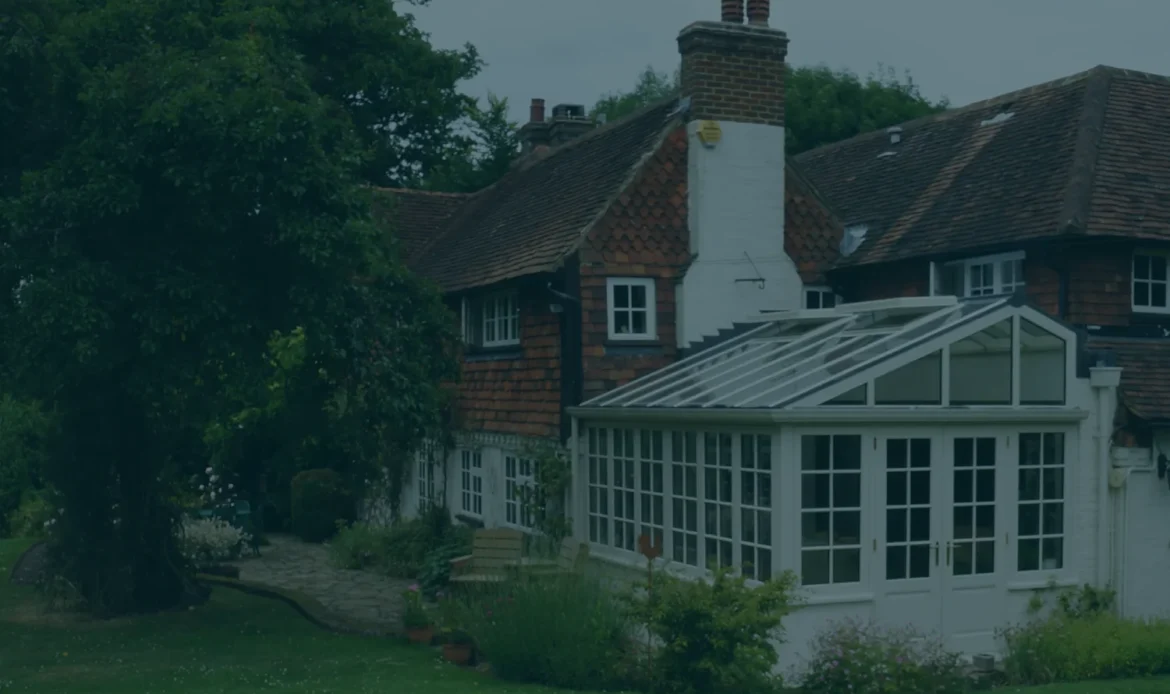
A traditional orangery is more than just an extension — it’s a timeless addition that blends classic architecture with modern living. Across the UK, homeowners are increasingly choosing traditional orangeries to add light, space, and value to their homes.
Originally built in the 17th century to protect citrus trees during winter, traditional orangeries have evolved into elegant living spaces. Unlike conservatories, they feature a stronger brick structure, large windows, and a central glazed roof lantern that floods the space with natural light.
Today, traditional orangeries are perfect for dining areas, lounges, or open-plan kitchen extensions.
When it comes to traditional orangery design, the focus is on symmetry, proportion, and detail. Key elements include:
Many UK homeowners prefer designs that complement period properties, especially Georgian and Victorian homes.
The interior of a traditional orangery is where functionality meets comfort. These spaces are designed to feel like a natural extension of your home rather than a separate structure.
Popular interior ideas include:
The goal is to create a space that feels bright during the day and cosy in the evening.
A traditional orangery extension is ideal for homeowners looking to expand their living space without compromising on style. It can seamlessly connect your indoor and outdoor areas while maintaining the architectural integrity of your home.
In the UK, these extensions are often used for:
Working with experienced designers ensures the extension blends perfectly with your existing structure.
A traditional orangery is a long-term investment that combines elegance with practicality. Whether you’re renovating a period home or upgrading a modern property, the right design can transform your living space beautifully.