Built for living , loved for a lifetime.
About Us

Lorem Ipsum is simply dummy text of the printing and typesetting industry.
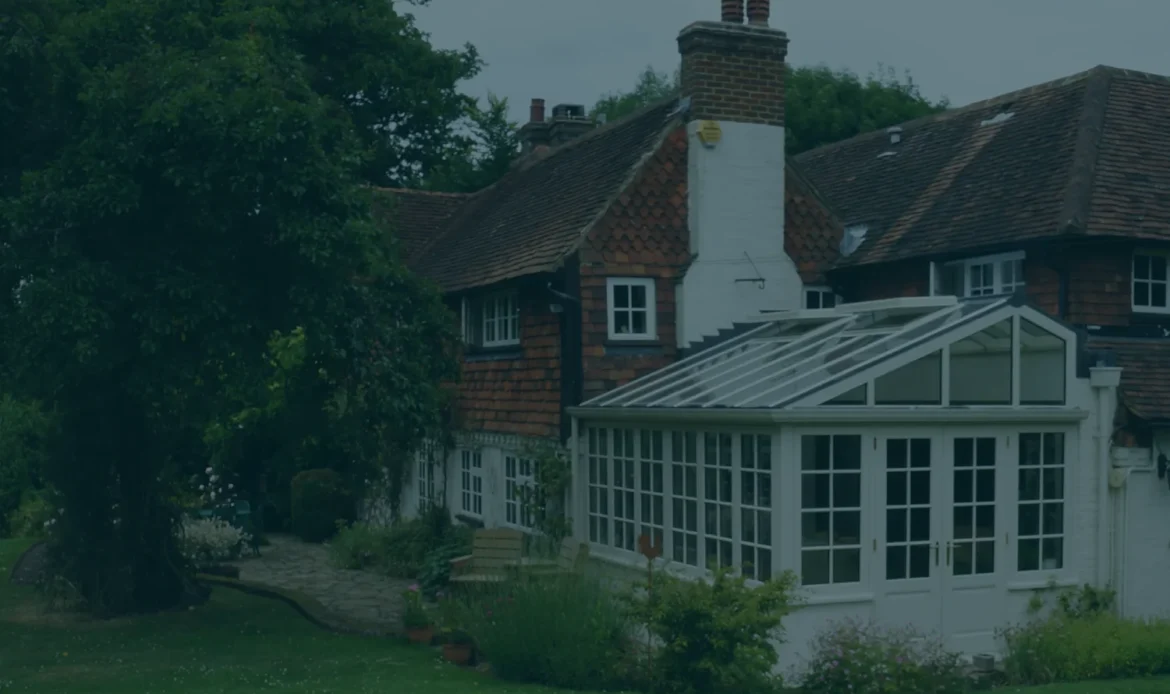
A well-designed orangery changes more than the footprint of a house. It alters how the day feels – where morning light falls, how the garden is drawn into family life, and whether a new room looks merely added on or entirely at home. That is why these 5 orangery design trends matter so much at the top end of the market. They are not passing fashions in the usual sense, but design shifts that reflect how discerning homeowners now want to live.
For period properties, the challenge is often architectural sympathy. For newer houses, it is usually about introducing warmth, character and permanence. In both cases, the best results come from looking beyond surface styling and understanding how proportion, material, layout and finish work together.
One of the most notable of the 5 orangery design trends is a move towards quieter, more resolved architecture. Homeowners still want the romance and stature of a traditional orangery, but with less ornament for ornament’s sake. The result is a more disciplined approach to cornices, glazing bars, fascias and roof lantern detailing.
This is especially effective on Georgian, Victorian and Arts and Crafts homes, where the orangery should feel as though it belongs to the original composition. Strong symmetry, carefully judged pilasters and a balanced lantern design create that sense of permanence. On more contemporary homes, the same principle applies in a different way – pared-back framing, elegant sightlines and a restrained palette help the extension sit comfortably without feeling sterile.
There is a clear trade-off here. Too much detailing and the structure can feel heavy. Too little and it risks losing the depth and richness that make an orangery distinct from a standard glazed extension. The sweet spot lies in architectural confidence – enough heritage language to give character, but edited with care.
Colour is doing more work than it once did. Rather than treating the orangery as a white or neutral afterthought, many homeowners are choosing painted timber finishes that feel integral to the house and its interiors. This shift has become one of the most influential 5 orangery design trends because it changes the character of the room immediately.
Soft stone tones, complex greens, warm off-whites and deeper architectural greys all have their place, depending on the property. A country house may suit muted olive or a chalky mushroom shade that sits gently against masonry and planting. A town house might call for a crisp, tonal contrast that sharpens the elevation. Inside, painted timber creates a calmer, more considered backdrop than an untreated or generic finish ever could.
The key is depth of colour rather than novelty. A beautifully painted structure should feel composed in January light as well as midsummer sun. It also needs to perform. For external structures, that means a factory-applied, multi-coat finish designed for long-term weather protection, not simply a colour selected from a mood board and hoped for the best.
This is where material choice matters. Painted Sapele hardwood offers the structural stability and durability required for an orangery that is expected to age gracefully in British conditions. It gives designers more confidence with finer detailing and gives homeowners a finish that feels luxurious because it has substance behind it.
For years, glazed extensions were often described in terms of light alone. Light still matters, of course, but clients are now asking better questions. How will this room work on a dark November afternoon? Where does the dining table sit when the house is full? Can the space feel intimate enough for everyday life, not just impressive on first viewing?
That thinking has led to one of the most liveable orangery trends – spaces designed as furnished rooms rather than glass boxes. In practical terms, this means more solid wall, better-defined zones and a stronger relationship between architecture and interior design. Banquette seating, cabinetry, a fireplace, a statement dresser or a carefully placed island can all help an orangery feel grounded.
This is particularly relevant when the orangery forms part of a kitchen extension. The most successful schemes do not allow glazing to dominate every elevation. Instead, they create moments of solidity so the room can hold artwork, lighting, joinery and everyday family life with equal ease. That balance is what makes a space feel luxurious rather than exposed.
There is an important nuance here. Maximising glass does not always maximise enjoyment. Too much glazing can lead to a room that feels visually busy, acoustically hard and difficult to furnish. A better approach is to choreograph light thoughtfully, using the roof lantern and vertical glazing where they add the most value.
Another of the 5 orangery design trends reshaping high-end homes is the move towards fully integrated design language across the extension and the interior beyond it. Homeowners no longer want the kitchen to stop at one threshold and the orangery to begin as a separate visual idea. They want cohesion.
That cohesion can show up in several ways. Cabinetry colours may echo the painted timber of the orangery structure. Sightlines may be aligned so that an island, dining table and garden focal point feel intentionally arranged. Internal joinery details – such as mouldings, shelving or built-in seating – may borrow from the architecture of the extension itself.
For designers and architects, this is a more demanding exercise than simply specifying attractive finishes. It requires the structure, interiors and circulation to be designed in concert from the outset. Done properly, the orangery feels less like an add-on room and more like the natural centre of the home.
This is often where a fully managed approach becomes especially valuable. Structural calculations, planning considerations, manufacturing drawings and interior detailing all influence one another. If they are handled in isolation, compromises creep in. If they are orchestrated properly, the result is a room that feels resolved from every angle.
The roof lantern remains central to orangery design, but tastes have matured. Clients are moving away from oversized lanterns that consume the entire ceiling plane and towards more refined proportions. This final trend within the 5 orangery design trends is less about making the lantern smaller for its own sake, and more about making it work harder architecturally.
A well-proportioned lantern brings drama, daylight and rhythm to the room. It draws the eye upwards, gives the extension its distinctive orangery character and creates changing patterns of light across the day. Yet it should still allow enough solid perimeter ceiling to support lighting, ventilation strategy and a sense of enclosure.
In larger spaces, one lantern is not always the answer. Two smaller lanterns can often feel more elegant and more in keeping with the geometry of the room. In narrower extensions, careful sizing is essential so the structure does not appear top-heavy. The right solution depends on scale, orientation and how the room will actually be used.
This is where experience counts. Lantern design affects not just appearance, but solar gain, shading, internal comfort and the way the room relates to the existing house. The best schemes make those technical considerations disappear into something that simply feels right.
Across all 5 orangery design trends, one principle stands out: the best orangeries now feel more architectural, more integrated and more personal. They are less about adding a bright room at the back of the house and more about creating a place with genuine presence – somewhere for long lunches, school bags, evening entertaining and the quiet parts of daily life in between.
For affluent homeowners, that usually means resisting quick visual fixes and investing instead in proportion, painted timber craftsmanship and a design process that considers the house as a whole. An orangery should improve circulation, strengthen the connection to the garden and elevate the atmosphere of adjoining rooms. It should also hold its own in ten or twenty years, when trends have moved on and quality still speaks for itself.
At Farrow & Jones, that belief sits at the heart of every bespoke orangery – from the painted Sapele hardwood structure to the final, sofa-ready finish. Because when architecture, joinery and project management are brought together properly, the result is not just stylish. It becomes part of how the home is lived in and loved for years to come.
If you are considering an orangery, the most useful place to start is not with a colour chart or a Pinterest board, but with a simple question: what should this room make possible in your home that is not happening now?