Built for living , loved for a lifetime.
About Us

Lorem Ipsum is simply dummy text of the printing and typesetting industry.
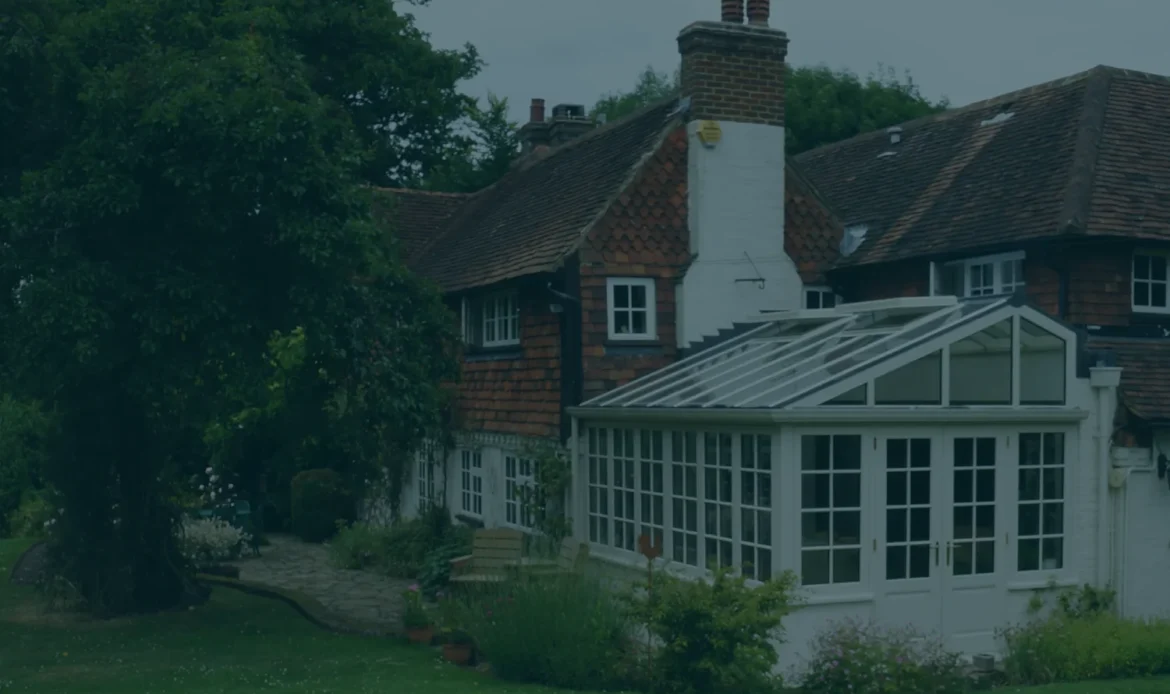
If you are searching for 10 high-end kitchen orangery designers Cheshire homeowners genuinely rate, you are unlikely to be looking for a standard extension. You are looking for a room that changes how the house lives – somewhere that brings the garden closer, gives the kitchen proper presence, and feels as though it was always meant to be there.
That immediately narrows the field. At the top end of the market, the question is not simply who can build an orangery. It is who can design one with architectural discipline, kitchen intelligence and enough craftsmanship to make the finished space feel calm, elegant and complete.
A luxury kitchen orangery is one of the most demanding spaces to get right. It asks for daylight, proportion, warmth, structure, glazing, ventilation, joinery and kitchen planning to work in concert. If any one part is treated as an afterthought, the room can feel disjointed – beautiful from one angle perhaps, but awkward to use every day.
The best designers understand that this is not just a glazed room with kitchen units dropped in later. It is a carefully orchestrated living space. Sightlines matter from the hall, the garden and the surrounding rooms. Roof lantern proportions matter because they shape the quality of light over an island or dining table. Material choices matter because a kitchen orangery has to feel durable enough for daily family life while remaining refined enough for entertaining.
In Cheshire, that expectation is often even higher. The county has a rich mix of period properties, substantial detached homes and architecturally ambitious renovations. A successful orangery here needs to respond to context. A Georgian house may call for greater formality and symmetry. A country home may suit a softer, more garden-led approach. A contemporary property may require cleaner detailing and a more restrained palette.
Rather than treating this as a simple ranked list, it is more useful to understand the ten qualities that distinguish truly high-end kitchen orangery designers in Cheshire. These are the standards worth looking for when shortlisting firms for a serious investment.
This sounds obvious, but it is where many schemes lose coherence. The strongest designers do not start with the shell and leave the kitchen to follow. They think about cooking, dining, circulation, storage and garden access from the first concept sketch.
That affects everything from where structural supports sit to how an island aligns with roof glazing above. It also helps avoid one of the most common disappointments in large extensions – plenty of square footage, but no natural focal point.
An orangery should belong to the house. The best designers study proportions, eaves lines, fenestration and materials with care. They know when to echo existing architectural language and when a more contemporary intervention will improve the whole composition.
This is especially important in Cheshire, where homes often carry strong character already. A kitchen orangery should enhance that identity, not compete with it.
At this level, design ambition must be matched by technical competence. Roof loads, thermal performance, structural openings and planning considerations all shape what is possible.
A designer who can move comfortably between concept and delivery is worth far more than one who only produces attractive visuals. The smoothest projects are usually those where planning support, manufacturing drawings, calculations and installation thinking are considered early rather than bolted on later.
In a high-end kitchen orangery, materials are not simply decorative. They create permanence. Hardwood timber, carefully specified glazing, well-made joinery and properly considered finishes all contribute to a room that settles into the house beautifully over time.
There is a marked difference between a space that looks impressive at handover and one that still feels exceptional ten years later. Better designers understand that distinction and specify accordingly.
The room has to work on an ordinary Tuesday as well as when the house is full for Christmas lunch. That means understanding how clients actually live. Where do children drop bags? How does the room feel early in the morning? Is there enough quieter seating away from the main kitchen zone? Does the dining area feel intimate in the evening?
These questions are often what turn a handsome extension into the most used room in the house.
The finest kitchen orangeries use light deliberately. Lantern placement, glazing proportions and orientation all shape the atmosphere of the room. South-facing spaces may need careful solar control to avoid overheating, while north-facing designs may benefit from larger glazed sections and warmer material palettes.
High-end designers do not chase glass for its own sake. They shape light so the room feels balanced and comfortable throughout the day.
One of the clearest signs of quality is how naturally the orangery connects with the existing house and garden. Floor levels, thresholds, door positions and ceiling heights should feel resolved, not compromised.
This is where many projects reveal whether they have been properly designed or merely assembled. If the junctions are awkward, the room will never feel wholly integrated, however beautiful the finishes may be.
For homeowners investing at this level, coordination matters almost as much as design. A project involving designers, planners, structural specialists, makers and installers can become burdensome if it is not carefully managed.
That is why many clients prefer a full design-and-build partner. A managed route tends to protect quality, reduce ambiguity and create a more assured result. Farrow & Jones, for example, is known for this kind of end-to-end approach, bringing design, technical development and delivery together under one roof.
A beautiful image is helpful, but it should not be the only evidence. Ask whether the firm can talk convincingly about design challenges, planning constraints, material decisions and how the finished kitchen orangery improved daily life for the client.
The strongest designers tend to speak with quiet authority about why each choice was made. That depth usually reflects real experience rather than surface-level styling.
A kitchen orangery should enhance both the experience of living in the house and the standing of the property itself. That does not mean chasing trends or trying to impress through scale alone. Often, the most valuable spaces are those with restraint – rooms that feel timeless, balanced and deeply liveable.
The best designers think about longevity in every sense: aesthetics, craftsmanship, energy performance and relevance to the house over time.
Once you have a shortlist, the real comparison comes down to fit. Some designers lean heavily into heritage detailing, which can be ideal for period homes but may feel too formal for a more contemporary brief. Others produce striking modern spaces that look superb in photographs, yet need careful judgement if attached to an older property.
It also depends on how involved you want to be. If you enjoy coordinating separate professionals and making every decision individually, a more fragmented route may suit you. If you want a guided experience with design continuity and fewer moving parts, a turnkey specialist is usually the better choice.
Budget matters too, though at the premium end it is less about finding the lowest figure and more about understanding what is included. Detailed design development, planning input, structural thinking, bespoke manufacture and installation oversight all add value. A cheaper-looking proposal can become costly if key elements have been left vague.
When speaking to designers, ask how they approach the relationship between the kitchen and the orangery structure. Ask how they resolve heat, glare and ventilation. Ask what materials they favour and why. Ask who manages the planning process and who takes responsibility for technical coordination.
Most importantly, ask how they make the new room feel as though it belongs to the house. That single question tends to reveal a great deal. The best answers are rarely flashy. They are thoughtful, measured and rooted in proportion, craftsmanship and lived experience.
A well-designed kitchen orangery is not simply an addition. It becomes the room that quietly reshapes the whole house – brighter mornings, longer suppers, easier family life, and a stronger connection to the garden in every season. Choose the designer who understands that, and the result will feel built for living and loved for a lifetime.